

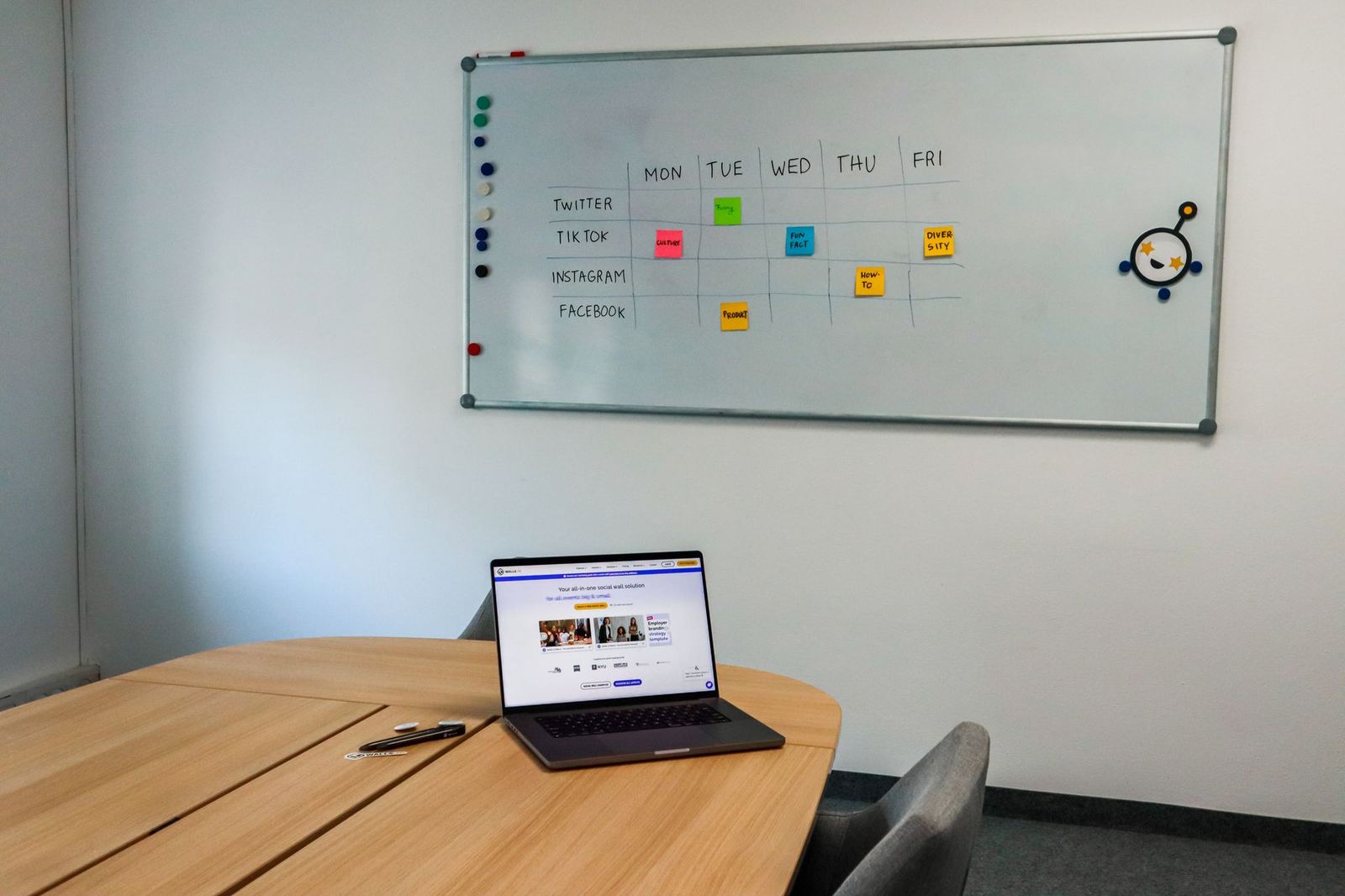
A cloud PBX migration plan from analysing existing lines to number porting, a pilot group and cut-over day.
For many businesses the PBX is a box nobody touches as long as it works. Yet the maintenance contract, line rental and spare-parts risk of a 10 - 15-year-old physical exchange grow every year. Done properly, a move to a cloud PBX can be completed within a week and without downtime. Here are the seven steps to follow.
1. Take stock of today
How many lines, how many extensions, which numbers and which features (IVR, recording, fax) are in use? Pull the last six months of call records from your invoices. Seeing which extensions are actually used often cuts the licence count by 15 - 20 percent.
2. Test your network
Voice quality depends on your internet connection. As a rule, each concurrent call needs about 100 kbps; 3 Mbps of dedicated upstream bandwidth is enough for 30 concurrent calls. Latency should be below 150 ms and packet loss below 1 percent. Ahize runs a free network test during the discovery call.
3. Decide the number plan
Which numbers will be ported and which will be new? Decide separately for the main line, branch lines and fax numbers. The porting application needs the latest invoice and an authorisation document.
4. Redesign the call flow
Migration is a good opportunity to simplify your IVR menu. Menus deeper than three levels tire callers. Business hours, holidays and queue rules for busy periods are defined at this stage.
5. Choose devices and apps
Desk phones, the computer app and the mobile app can all be used together. A desk phone for reception and executive assistants and the mobile app for field staff usually works best.
6. Start with a pilot group
A pilot group of three to five people first uses the new system for a week. Settings are fixed from their feedback, then the whole company moves over.
7. Cut-over day and after
The number porting interruption should not exceed 30 minutes. On cut-over day the old lines are not closed immediately; running in parallel for a week is safe. Plan on-site or remote support for the first week and give staff a short 30-minute training session.
Conclusion
A well-planned migration is an improvement that employees barely notice but customers feel. Book a free discovery appointment to see your current system's cost and a migration plan.
Common mistakes
- Skipping the network test: most voice problems come not from the PBX but from wrong priority settings (QoS) on the local network.
- Closing the old system too early: running in parallel for a week gives you a safety net.
- Not informing employees: a short announcement email and a quick-use card halve first-day support requests.
Related Posts

How Does Number Porting Work? Process, Timing and Pitfalls
Switching operators without losing 0212, 0216 and 0850 numbers: required documents, the 5 - 10 working day process and common…
Read More